

SPN 171 FMI 13 – Ambient Air Temperature Signal Not Available via CAN
Posted by: Duaparts on
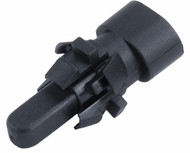
The SPN 171 FMI 13 code indicates that the ambient air temperature signal is not available via the CAN bus. This can lead to incorrect fuel mapping and other performance issues in diesel engines.
What This Code Means
SPN 171 refers to the ambient air temperature sensor, which plays a crucial role in engine management by providing data for fuel mapping and emission control. FMI 13 signifies that the signal from this sensor is not being received by the engine control unit (ECU) via the CAN network, potentially leading to suboptimal engine performance.
Why It Happens
There are several reasons why the ambient air temperature signal may be unavailable. Common culprits include:
- Faulty ambient air temperature sensor
- Wiring issues, such as damaged insulation or corroded connectors
- ECU malfunction or programming errors
- Interference in the CAN bus system
Understanding these factors is essential for effective troubleshooting.
How The Truck Typically Behaves
When the ambient air temperature signal is unavailable, the truck may enter a derate mode, limiting engine power to prevent potential damage. This can lead to reduced throttle response, increased fuel consumption, and, in some cases, trigger additional fault codes related to emissions control. For example, in a Freightliner Cascadia equipped with a DD15 engine, drivers might notice sluggish acceleration and difficulty maintaining highway speeds.
Step-by-Step Diagnostic Approach
- Visual Inspection: Start with a thorough visual inspection of the ambient air temperature sensor and its wiring harness. Look for signs of wear, corrosion, or loose connections.
- Sensor Testing: Perform a resistance test on the ambient air temperature sensor. Compare the readings to the manufacturer's specifications. A faulty sensor will typically show resistance values outside the specified range.
- Check Harness Integrity: Use a multimeter to check for continuity along the wiring harness. Look for breaks, shorts, or high resistance points that could cause signal loss.
- CAN Bus Analysis: If the sensor and wiring appear intact, use a scan tool to check the CAN bus for communication errors. Look for other fault codes that may indicate broader network issues.
- ECU Check: If all else fails, consider reprogramming or replacing the ECU. This step should be a last resort after confirming that the sensor and wiring are functioning correctly.
By following these steps, you can systematically isolate the problem and determine whether the issue lies with the sensor, wiring, or the ECU itself.
Can You Keep Driving?
While it may be possible to drive the truck with this fault code temporarily, it is not advisable. Operating under these conditions can lead to increased fuel consumption, higher emissions, and potential damage to the engine. If the truck has entered derate mode, it is best to address the issue before continuing to operate the vehicle.
Frequently Asked Questions
- What should I do if the ambient air temperature sensor is faulty?
Replace the sensor with a new one that meets OEM specifications. - How can I prevent this issue in the future?
Regularly inspect the wiring and connectors for wear and corrosion, and ensure that all software updates for the ECU are applied. - Will clearing the code fix the problem?
Clearing the code may temporarily remove the warning, but if the underlying issue is not resolved, the code will likely return.
